Tanoura Dance and Desert Safari Dubai
Tanoura Dance in Desert Safari Dubai: A Mesmerizing Blend of Culture, Color, and TraditionDubai is famous for its modern skyline, luxurious lifestyle, shopping ...
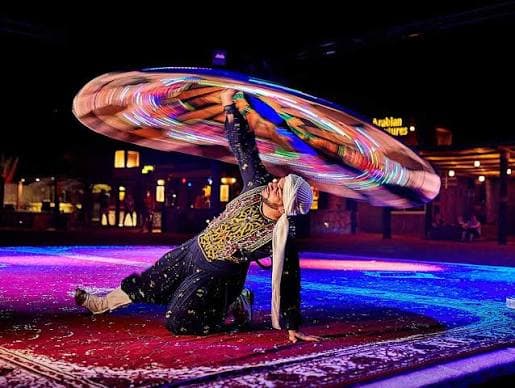
Tanoura Dance in Desert Safari Dubai: A Mesmerizing Blend of Culture, Color, and Tradition
Dubai is famous for its modern skyline, luxurious lifestyle, shopping destinations, and thrilling attractions. However, beyond the tall buildings and busy streets lies a completely different side of the city—the peaceful and fascinating desert. A Desert Safari Dubai experience allows visitors to discover this side of the emirate while enjoying adventure, traditional hospitality, food, music, and cultural performances.
Among the most eye-catching performances presented at many desert camps is the Tanoura Dance. With its colorful costume, continuous spinning, rhythmic movements, and energetic music, Tanoura creates a memorable atmosphere in the middle of the desert. The performance is especially impressive when it is presented in the evening beneath the open sky and surrounded by the warm glow of camp lights.
Although Tanoura is now widely presented as a folkloric performance, its history is connected with Sufi traditions and whirling practices in the Middle East. The Egyptian form became known for its colorful skirts, lively movements, and distinctive visual style.
This article explores the beauty of Tanoura Dance in Desert Safari Dubai, its background, costume, movements, cultural value, and why it has become such a popular part of a desert evening.
What Is Tanoura Dance?
Tanoura is a traditional folkloric dance characterized by continuous spinning and a large, colorful skirt. The word “Tanoura” refers to the skirt or garment associated with the performance. In its Egyptian folkloric form, the dance developed from traditions influenced by Sufi whirling while becoming a distinct form of popular entertainment.
During a performance, the dancer usually remains in one area while rotating repeatedly. As the dancer becomes faster, the wide skirt spreads outward and creates a circular display of colors. The movement can appear effortless to spectators, but considerable balance, concentration, stamina, and practice are required.
At a Dubai desert camp, Tanoura is generally presented as part of an evening entertainment program. Visitors may first enjoy desert activities and traditional refreshments before gathering around the performance area. As the music begins, attention is naturally drawn toward the dancer and the colorful costume.
The combination of music, movement, lights, and the surrounding desert makes the performance particularly attractive to tourists.
A Brief History of Tanoura
The history of Tanoura is connected with the wider tradition of Sufi whirling. The Egyptian form developed its own folkloric characteristics, including colorful clothing and rhythmic musical accompaniment. Cairo's cultural institutions describe Tanoura as an Egyptian folk art with deep Sufi roots and a strong emphasis on circular movement.
The dance is also associated with the broader whirling tradition connected with Sufi communities in Turkey and other parts of the Middle East. However, Tanoura should not simply be treated as identical to the Turkish Mevlevi ceremony. Egyptian Tanoura developed its own costume, music, choreography, and theatrical presentation.
Over time, the performance moved beyond religious and spiritual settings and became an important part of Egyptian folklore and cultural entertainment. Today, colorful Tanoura performances can be seen in cultural events and tourism experiences across the region.
Dubai has embraced the performance as part of the entertainment offered at many desert safari camps. Consequently, international visitors can enjoy a form of Middle Eastern folklore while experiencing an evening in the Arabian desert.
Why Is Tanoura Popular During Desert Safari Dubai?
A desert safari is not only about adventure. It is also about experiencing an atmosphere that combines nature, hospitality, and cultural entertainment. This is where Tanoura fits naturally into the evening.
After activities such as dune bashing, camel riding, sandboarding, or quad biking, visitors usually arrive at a desert camp. The atmosphere becomes calmer as the sun disappears and the temperature begins to fall. Traditional-style seating, lights, music, food, and performances create an evening environment that feels very different from modern Dubai.
Tanoura adds movement and energy to this setting.
The colorful skirt becomes highly visible under stage lighting, while the continuous spinning creates patterns that are easy to notice even from a distance. As a result, the performance can become one of the most memorable parts of the evening.
For tourists who are experiencing Middle Eastern folklore for the first time, Tanoura also provides an opportunity to see how traditional artistic forms have been adapted for contemporary cultural tourism.
The Colorful Tanoura Costume
One of the first things visitors notice about Tanoura is the dancer's costume.
Unlike ordinary clothing, the Tanoura skirt is designed to expand dramatically while the dancer spins. Multiple layers can create a wide circular shape, transforming the performer into a moving display of colors.
The costume is therefore not simply decorative. It is an important part of the visual effect of the performance.
Different colors, patterns, and layers may be used to create an impressive appearance. When the dancer moves under stage lights, the fabric appears to change shape continuously. From the audience's perspective, the costume can look like a colorful wheel turning around the performer.
Historical descriptions of Egyptian Tanoura also emphasize the use of several colorful skirt layers and the considerable skill needed to manage them during continuous movement.
This is one reason why photography is so popular during the performance. A single moment can capture the skirt in a completely different shape from the previous moment.
The Art of Continuous Spinning
The spinning movement is the central feature of Tanoura.
For an inexperienced observer, it may seem easy to rotate continuously in one place. In reality, maintaining balance while wearing a large costume requires extensive practice.
The dancer must control posture, movement, speed, and breathing. At the same time, the performance must remain visually attractive and coordinated with the music.
As the speed increases, the skirt expands because of the movement. The result is a fascinating combination of human skill and physical motion.
The circular movement also carries symbolic associations in traditional interpretations of the dance. Circular motion has long been connected with ideas of continuity, spiritual movement, and the cycles of existence. Cairo's cultural explanation of Tanoura describes its circular movement in connection with spiritual and philosophical ideas.
However, when Tanoura is presented at a modern tourist camp, the emphasis is often placed on its folkloric and visual qualities.
Tanoura and Sufi Traditions
Tanoura has an important connection with Sufi culture, although its modern stage form should be understood as a folkloric performance rather than automatically treated as a religious ceremony.
The wider tradition of Sufi whirling is associated with spiritual discipline, meditation, and devotion. The famous whirling tradition connected with the Mevlevi order developed in the cultural world associated with Jalal al-Din Rumi. Egyptian Tanoura later developed its own distinctive style.
In spiritual interpretations, spinning can represent a journey toward inner awareness and closeness to the divine. The repeated circular movement can also be understood as a symbol of the continuing movement of life and the universe.
Modern Tanoura performances, however, often include additional theatrical elements such as bright colors, rhythmic music, and visual effects. This has helped the dance become accessible to international audiences.
Understanding this background can make the performance more meaningful. Instead of seeing only a dancer spinning in a colorful costume, visitors can appreciate the centuries of cultural development behind the art form.
Tanoura Dance During an Evening Desert Safari
The evening is usually an ideal time for enjoying Tanoura during a desert safari.
As daylight fades, the golden dunes become darker and the camp lights become more noticeable. Visitors may sit around the performance area while traditional music is played.
Then the Tanoura performer enters.
At first, the movements may appear slow and controlled. Gradually, the rhythm becomes more energetic, and the dancer begins spinning faster. The skirt opens outward, creating a large circular shape.
The contrast between the dark desert background and the bright costume makes the performance especially attractive.
For many visitors, this is also the moment when the desert safari changes from an adventure experience into a cultural evening.
Tanoura as Part of Desert Entertainment
A typical desert safari program can contain several different forms of entertainment. Depending on the package and camp, visitors may encounter cultural performances, traditional music, dance shows, dinner, and other activities.
Tanoura is often included because it offers something visually different from other performances.
Its defining feature is movement.
The dancer's spinning creates a constantly changing image, while the music provides rhythm. Because the performance is highly visual, it can be enjoyed even by visitors who do not understand the language of the songs or announcements.
This makes Tanoura particularly suitable for an international destination such as Dubai, where tourists from many countries gather.
The Role of Music in Tanoura
Music is an important part of the Tanoura experience.
The rhythm helps establish the pace and atmosphere of the performance. Traditional Egyptian Tanoura has been accompanied by different forms of musical and vocal traditions, while contemporary performances may use arrangements designed specifically for entertainment settings.
As the rhythm becomes stronger, the dancer's movements may appear increasingly energetic.
The combination of percussion, melody, and spinning creates a hypnotic effect. Even when the audience does not know the historical background of Tanoura, the rhythm can immediately attract attention.
At a desert camp, the music also blends with the surroundings. The sound travels across the open space, while the audience watches the performer against the backdrop of dunes and night sky.
A Memorable Experience for Families
Tanoura can be enjoyed by visitors of different ages, making it a popular family-friendly part of a desert safari evening.
Children are often attracted to the bright colors and unusual spinning movements. Adults, meanwhile, may appreciate the artistic skill and cultural background of the performance.
For families traveling together, the show provides an opportunity to relax after the more physically demanding activities of the day.
Instead of rushing from one attraction to another, everyone can sit together and watch the performance.
Photography and short videos can also be taken, provided that the camp's rules and the performer's preferences are respected.
Tanoura Dance for Couples
For couples visiting Dubai, an evening desert safari can provide a peaceful break from the busy city environment.
Watching Tanoura together can become part of a memorable evening that may also include dinner, traditional refreshments, music, and views of the desert at night.
The colorful movement of the dancer, combined with the warm camp lighting and open desert surroundings, creates an attractive atmosphere for photographs.
Couples can enjoy the performance while experiencing a different side of Dubai—one that is connected with cultural entertainment rather than skyscrapers and shopping malls.
Photography Tips for Tanoura Dance
Tanoura is one of the more challenging desert safari performances to photograph because the dancer is constantly moving.
However, a few simple techniques can help.
First, try to avoid using excessive digital zoom. A wider frame can capture both the dancer and the desert environment.
Second, continuous shooting can be useful because the costume changes shape with every movement.
Third, focus on the dancer before the performance becomes faster. This gives the camera a better chance of maintaining focus.
Finally, consider taking some photographs from a wider perspective. A picture that includes the dancer, camp lights, audience, and desert surroundings can tell a much stronger story than a close-up photograph alone.
Why Tanoura Makes Desert Safari More Than an Adventure
Dune bashing and other desert activities provide excitement, but cultural performances add another dimension to the experience.
A desert safari can therefore be viewed as a combination of several experiences:
- Adventure in the dunes
- Traditional desert hospitality
- Cultural entertainment
- Arabic-style dining
- Music and dance
- Relaxation beneath the evening sky
Tanoura contributes strongly to the cultural side of this combination.
It reminds visitors that the Middle East has a rich artistic history that extends far beyond modern attractions. The performance also demonstrates how traditional art can be adapted for contemporary audiences without losing its recognizable visual identity.
The Cultural Value of Tanoura
Cultural performances can help travelers develop a deeper appreciation of the places they visit.
Tanoura provides an example of how an artistic tradition can travel across borders and generations. Its development in Egypt and its connection with broader Sufi traditions have given it a distinctive place in Middle Eastern cultural expression.
When presented thoughtfully, the performance can encourage tourists to learn more about regional history, music, clothing, and artistic traditions.
For this reason, Tanoura should not be viewed only as a colorful show. It represents a cultural tradition that has evolved over centuries.
Best Time to Enjoy Tanoura Dance in Dubai
If Tanoura is an important part of your desert safari plans, an evening safari is generally the most suitable option because cultural entertainment is commonly incorporated into the evening camp program.
A typical experience can begin with a pickup from Dubai, followed by a drive toward the desert. After reaching the safari area, guests may participate in adventure activities before arriving at the camp.
As evening arrives, the entertainment program begins.
The exact activities and schedule can vary between safari operators and packages, so travelers should check the details of their selected tour before booking.
How to Make the Most of the Experience
To enjoy Tanoura to the fullest, it helps to understand what you are watching.
Instead of focusing only on the colorful costume, observe how the dancer maintains balance and rhythm.
Notice how the skirt changes shape as the speed increases. Listen to the rhythm of the music. Watch how the lighting changes the appearance of the costume.
Most importantly, take a moment to appreciate the cultural history behind the performance.
A little background knowledge can transform a simple entertainment show into a more meaningful cultural experience.
Conclusion
Tanoura Dance in Desert Safari Dubai is a fascinating combination of movement, music, color, history, and cultural entertainment. Its roots are connected with Sufi and Egyptian folkloric traditions, while its modern presentation has made it accessible to visitors from around the world.
The sight of a dancer continuously spinning in a bright, flowing costume becomes even more impressive when it is performed among the golden dunes of Dubai. Under the evening sky, surrounded by traditional camp lights and rhythmic music, Tanoura can become one of the most memorable moments of a desert safari.
For travelers seeking more than adventure, this performance offers a glimpse into a rich artistic tradition. It demonstrates how culture can be preserved, transformed, and shared with new generations and international audiences.
Therefore, when planning a Desert Safari Dubai, consider choosing an evening experience that includes Tanoura Dance. After the excitement of the dunes, the colorful whirl of the performer provides a beautiful cultural finale—and a reminder that the desert is not only a place of adventure, but also a setting where tradition and entertainment can come together.
Related Articles

Best Skateboarding for Beginners - 2025 - 0nline Guidance - Desert Safari Dubai
Best Skateboarding for Beginners IntroductionSkateboarding for BeginnersWhat is Skateboarding in Des...
9/28/2025
Camel Ride in Desert Safari Dubai.
🐪 Camel Ride in Desert Safari Dubai – A Timeless Arabian Experience🌟 IntroductionDubai is known wo...
10/2/2025
Morning Desert Safari .
Morning Desert Safari in Dubai – A Perfect Start to Your DayDubai is famous worldwide for its glitte...
10/5/2025